




 Bystudysail
Project Management Professional
PMP Certification in United Kingdom
Are you interested in acquiring knowledge in project management? Do you want to gain essential project management skills, foster team collaboration, and enhance service quality and business growth? Acquire StudySail certification in Project Management Professional in London.
- Successfully handle intricate project scenarios using proven strategies
- Optimize resource allocation for cost-effective project outcomes
- Harness project management tools and techniques for enhanced efficiency
- Implement ethical considerations and uphold professional responsibility throughout projects
- Lead and motivate cross-functional teams for triumphant project execution
- Understand and excel in stakeholder management and adept communication techniques
UPCOMING CLASSES
Online Instructor-led
Onsite
Online Instructor-led
SELECT AN UPCOMING CLASS
Onsite
Onsite training for your teams at your convenience in Yokohama.
PMP CERTIFICATION HIGHLIGHTS
The Most Effective PMP Course in United Kingdom
High-class engagement both online and offline
Practical statistical software experience tackling real-life project challenges
Q&A webinars with experts to give and receive feedback
Group problem solving stimulating project work experience
Explore the recent trends in the evolving world of AI, project development, and management
Evaluate privacy and ethical considerations for personal and organizational security
UPCOMING CLASSES
Online Instructor-led
Onsite
Online Instructor-led
SELECT AN UPCOMING CLASS
Onsite
Onsite training for your teams at your convenience in Yokohama.
PMP (Project Management Professional) Curriculum
WHAT WILL I LEARN?
Module Info and Overview
This is the first introductory module that will explore the foundational principles of project management. It will provide a comprehensive overview of what project management is, what it entails, and its significance in different industries. You will also learn about the project life cycle, key terminologies, and the importance of effective project management. This is foundational knowledge that will set the stage for deeper exploration into different practices and methodologies. You will be introduced to:
- The definition and importance of project management
- A comprehensive overview of a project life cycle
- Key project management terminologies
- The specific roles of a project manager
- Project scope, time, cost, quality, and project success criteria
- Introduction to various project management terminologies like Agile
- The impact of effective project management on business outcomes
Module Info and Overview
Project integration management is the group that ensures all aspects of a project are well coordinated and integrated. This topic will guide you through all the processes needed to ensure proper planning, execution, and control of a project. You will learn how to develop a project plan that aligns with business goals, manage a product from beginning to end and ensure that the project is successful. You will learn:
- How to develop a project charter
- How to create a project management plan that aligns with business goals
- How to direct and manage project work to deliver value
- Monitoring and controlling project work
- How to close a project phase successfully
- How to use different tools for integration management
- How to manage stakeholder engagement, conflicts, and resolutions
- Managing competing objectives and stakeholder expectations
Module Info and Overview
Get ready to learn how to manage all the work required to complete a project successfully. We will cover how to create a scope statement, develop a work breakdown structure, and manage scope changes efficiently. We will delve into:
- Defining a project scope and objectives
- Creating a scope management plan with a work breakdown structure
- Validating and controlling a project scope changes
- The techniques for preventing and managing scope creep
- Tools for scoop management and best practices
- Managing scope related risks
- Documenting the scope management plans and closing the scope
Module Info and Overview
Project time management involves creating a project schedule, estimating activity duration, and controlling project activities to ensure that projects are completed on time. In this topic, you will learn how to use scheduling tools and techniques to manage project timelines effectively. You will explore:
- The importance of time management in projects
- How to define project activities and estimate duration
- Developing a project schedule and techniques for schedule compression
- Monitoring and controlling project schedules
- Tools for time management and how to manage delays and schedule changes
- Communicating timelines to stakeholders and other team members
Module Info and Overview
In this topic, you will be learning how to plan, estimate, and control project costs to ensure that the project is completed within the approved budget. You will be equipped with the techniques to manage finances for project success. By the end of this topic, you will be able to:
- Understand the importance of cost management in projects
- Develop a cost management plan and estimate project costs
- Create a budget and use cost control techniques to monitor expenditure
- Manage cost overruns and the tools for cost management
- Determine the budget goals achieved at the completion
- Present financial reports to stakeholders
Module Info and Overview
Get ready to cover the principles of quality management that ensure that project goals are met while adhering to quality requirements. This topic will teach you how to develop a quality management plan, conduct quality assurance, and ensure that customers are satisfied.You will also learn how to establish quality standards and quality control processes for the success of the project. You will delve into:
- Understanding quality management principles
- Planning for project quality and implementing quality control processes
- Tools and techniques for performing quality control checks
- Techniques for monitoring project quality and areas of improvement
- How to conduct quality audits and measure performance against quality standards
- Handling issues and risks related to the quality of a project
Module Info and Overview
This module delves into how to create a team development plan, manage team performance, and address conflicts. It deals with organizing, managing, and developing team members for specific projects. You will learn how to manage project teams to ensure team members are working towards the same goal. We will cover:
- The importance of human resource management in projects
- Developing a human resource management plan
- The different roles and responsibilities of team members in a project
- The best techniques for building motivated teams
- How to resolve conflict within teams and the importance of effective communication
- Performance management and appraisal methods
Module Info and Overview
Communication is one of the key components when it comes to running a successful project and this topic explores the different ways to communicate effectively to team members, stakeholders, or investors. You will discuss communication planning, how to distribute information, and reporting performance to ensure everyone is informed and engaged. You will also learn:
- The importance of communicating effectively in projects
- How to develop a communication management plan
- The best techniques for communicating with stakeholders
- Different tools and methods of distributing information
- How to manage communication barriers and feedback in teams
- Performance reporting techniques and crisis communication strategies
Module Info and Overview
In this topic, you will learn how to identify risks, analyze them and respond to them effectively. We will explore risk management plans, risk management techniques, and the strategies for mitigating the risks to ensure the project is successful. Get ready to:
- Learn how to create a risk management plan
- Explore the techniques for identifying project risks
- Understand the difference between qualitative and quantitative risk analysis
- Learn how to respond to risks and resolve them efficiently
- Monitor projects to catch any risks early and put them under control
- Learn different tools for risk management such as risk registers
- Discuss the best practices for creating a risk-aware culture within your teams
Module Info and Overview
In this final topic, you will comprehensively explore the processes necessary for acquiring goods and services from external sources as well as engaging stakeholders throughout the project life cycle. This topic will teach you how to manage vendor contracts, and planning procurement to ensure you get the right resources at the right cost for project success. You will also learn how to understand stakeholder needs, and expectations and communicate with them, By the end of this topic, you will :
- Be able to plan procurement activities and develop a plan
- Conduct market research, prepare documents, and evaluate vendor proposals
- Manage contracts and vendor relationships
- Monitor procurement performance and handle procurement risks
- Analyze stakeholder needs and expectations
- Engage stakeholders effectively in addressing their concerns
- Report project progress and performance to stakeholders efficiently
- Resolve stakeholder conflicts and evaluate satisfaction
WHY STUDYSAIL
The StudySail Advantage
Interactive learning Experience
Interact with your peers while working together on various projects and group discussions
Efficient career guidance and support
Gain expansive career options and insights on the correct path to follow in your career
Access to industry professionals
Highly qualified and experienced professionals who take you through the courses and answer any questions that you may have
Affordable certification training
StudySail offers PMP training at an affordable price
Efficient customer support
Benefit from our well-trained customer support to help throughout your learning experience
Job Hunt Support
Get personalized coaching with job placements and interview preparation
WHAT YOU’LL LEARN IN THIS PMP TRAINING
Learning Objectives
Understand Project Management Fundamentals
Grasp the core principles of project management including definitions, processes, and roles
Master the Project Life Cycle
Learn the different stages of a project from initiation, managing phases to close
Be a Pro at Creating Project Plans
Acquire the skills to create effective project plans that meet timelines, resources, and objectives
Learn to Utilize Project Management Tools
Get hands-on experience on how to use the essential tools and software to plan and execute projects
Defining and Mitigating Risks
Understand how to identify, assess, and mitigate risks that could impact a project
Build Strong Leadership Skills
Learn how to lead, motivate project teams, and resolve conflicts
PREREQUISITES FOR PMP CERTIFICATION COURSE
Prerequisites and Eligibility
- According to the PMI, you need to have a four-year college/university degree, 36 months of experience leading projects within the past eight years, and 35 hours of project management education or CAPM certification. Otherwise, you can have a high school diploma with 60 months of project management experience and 35 hours of project management training.
- To get more information, please view the FAQs.

WHO SHOULD ATTEND THE PMP COURSE ONLINE
Who This Course Is For
- Project Managers
- Program Managers
- Project Analysts
- Project leaders
- Project sponsors
- Project Coordinators
- IT Project managers
- Product managers
- Project team members

GET THE PMP CERTIFICATION
Earn the Coveted PMP Certification
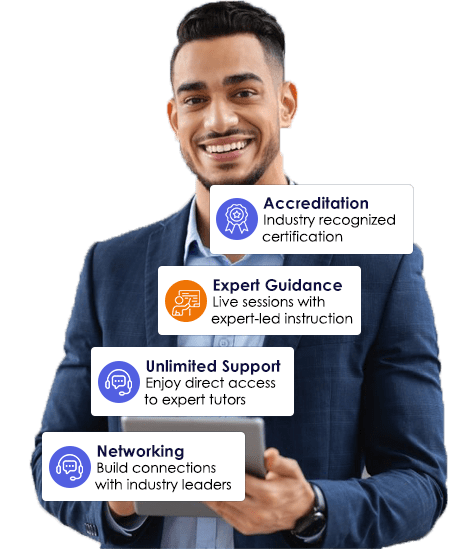
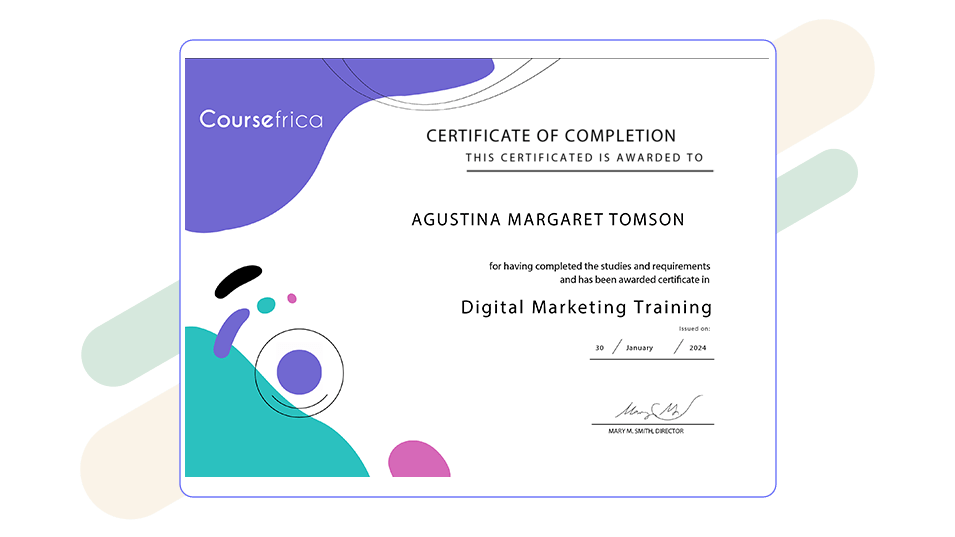
Once you complete your PMP certification course, you will become an officially accredited PMP professional. You will be able to show your knowledge and expertise in coordinating, leading, and analyzing project service management best practices, processes, terminologies, and techniques prevalent in modern technology. Additionally, this certification will cause you to stand out among other professionals who are not certified. You will also have access to a large community where you can network with other like-minded professionals.
FREQUENTLY ASKED QUESTIONS
PMP Training & Exams
What is a PMP certification and why is it important?
Project Management Professional (PMP) certification is a globally recognized credential offered by the Project Management Institute (PMI) to signify that an individual has the experience, education, and competency to lead projects effectively. It is a certification that’s highly valued in various industries, business, and even freelance as essential for someone looking to grow their career in project management.
The importance of PMP certification includes:
- It enhances your professional credibility, solidifying your commitment to the project management field
- It ensures that you have a standardized understanding of project management concepts, principles, and practices
- The learning process strengthens your project management skills and methodologies through networking with experts and experienced professionals
- It opens doors to higher-level positions and opportunities across different sectors in project management
- It increases the chances of earning higher than non-certified professionals since employers prioritize those with the certification
- It provides better opportunities for working internationally or outside the country on projects of choice as it is recognized all over the world
What are the requirements for PMP certification in London?
To qualify for PMP certification, candidates must meet specific educational and professional experience criteria. These are:
- You need a secondary, high school diploma or equivalent with at least five years of project management experience including 7,500 hours of leading and directing projects. Alternatively, if you have a 4-year degree, you need 3 years of project management experience and 4500 hours leading and directing projects
- You must complete 35 hours of project management education whether from formal training or workshops
- You need to submit a detailed application to the Project Management Institute (PMI), outlining your experience and education
- A solid understanding of project management principles which can be acquired through formal training or self-study
- After the application is approved, you will need to pay the exam fee which varies based on your membership status
- You should be able to understand and agree to adhere to PMI’s code of Ethics and professional conduct
How do I prepare for the PMP exams?
To prepare for the PMP exams, first get to understand the project management body of knowledge (PMBOK) guide as it is the primary reference for the exam. Familiarize yourself with key concepts, processes, and terminologies. Take a course by an accredited training provider to fulfill the 3 hours of project management education requirement. Take practice tests to familiarize yourself with the exam format and question types to help you identify areas where you need to focus your efforts. Utilize materials such as PMP exam prep books and video tutorials to increase your understanding. Once ready, stay calm and maintain a positive mindset to perform better in the exam.
Which is the best training provider for PMP in London?
Choosing the best training provider for PMP certification is essential for certification. To choose a good provider, consider factors such as accreditation, course content, delivery methods, student reviews, and your budget. When selecting a provider, find information about their teaching style, structure, and their effectiveness in preparing candidates for the PMP exam.
How long does it take to earn a PMP certification?
The time required to earn a PMP certification varies based on factors such as your training duration. Generally, a candidate can complete PMP training in a month to 6 months depending on the provider and format whether is part-time or full-time. After the training, candidates can prepare for the exams in two to four months to be thoroughly ready for the exams. Once ready, you can submit your application to PMI and wait for approval which can take a few days to a week. After receiving approval, you can schedule your exam at your convenience.
How much does PMP certification cost in London?
The cost of PMP certification in London involves several components; tuition fees, membership costs, and exam fees. The PMP tuition fees in London can range from $496. Online courses may be more affordable than in-person courses. The exam fee is $405 for PMI members and around $555 for non-members. Joining PMI costs $139 which saves you on the exam fee. You are also required to renew the certification after three years which may incur a fee of $275 for members and $375 for non-members.
What is the format of the PMP exams in London?
The PMP exam in London follows a standardized format set by the Project Management Institute (PMI). It consists of 180 multiple-choice questions that assess your understanding of project management concepts, principles, and practices. The exam is divided into 3 domains; people, process, and business environment which reflect the skills and competencies required for effective project management. The exam duration is four hours and is done on a computer allowing you to schedule your most convenient time. Practicing with sample questions will increase your readiness and confidence significantly.
Can I retake the PMP exams if I fail?
Yes. Candidates are allowed up to three attempts to pass the exam within one year from the date of application approval. If you do not pass the exams the first time, you can take some time to review the areas where you struggle and adjust your strategies accordingly. You can wait at least one day before reapplying for the exam. Since the exam requires paying the exam fee again, it’s important to ensure that you are thoroughly prepared before retaking the exam.
Is PMP certification recognized internationally?
Absolutely! PMP certification is recognized internationally as a gold standard in project management. It is one of the most prestigious certifications in the field and has numerous advantages for professionals who earn it. Employers all over the world value the PMP certification because it validates a candidate's proficiency in project management practices. The certification allows professionals to work in London and other countries around the world giving those who want to relocate the opportunity to practice their career anywhere.
What resources are available for PMP exam preparation in London?
There are many resources available for PMP exam preparation in London. Many training courses by accredited providers are a great way to gain structured knowledge, learning resources, and guidance in preparation for the PMP exams. You can also study materials such as project management body of knowledge guide, books, and practice exams offered by online courses to help you reinforce your understanding and preparation for the exams. There is also a wealth of resources online including video lectures on YouTube and education websites. You can join study groups or online platforms like LinkedIn for peer support and networking.
How do I maintain my PMP certification in London?
To maintain your PMP certification, you need ongoing professional development including learning new skills related to project management. This is because certified project management professionals earn sixty professional development units every three years to add to the certification. This requires you to participate in conferences, workshops, and webinars, and read relevant books. You can also stay engaged with the project management communities or London chapters for you to stay informed about any changes or trends that can support your professional growth.
Are PMP exams difficult if I am new to project management?
The difficulty of the PMP exams depends on your preparation. If you are new to project management, it may feel challenging at first but if you revise thoroughly and understand project management concepts and methodologies, then you’ll ace the exams just right. If you are new to project management ensure you familiarize yourself with relevant study materials and grasp the concepts as explained by instructors as they are the foundation for the exams. Committing to studying and understanding what you have learned will increase your chances of success significantly.
How is PMP certification better than other project management certifications?
The PMP certification is regarded as the best compared to other project management certifications because of its standards and global recognition. The certification offers a comprehensive knowledge of various project management methodologies, making it applicable to many different projects. The PMP certification ensures that certified professionals not only have theoretical knowledge but also practice to apply the skill in real-world work. This makes the certification more competitive in the market and e is highly valued by employers in London.
What advice would you give someone looking to sit for PMP exams?
For anyone looking to sit for the PMP exams, thorough preparation is key to passing the exams. Create a study schedule that allows you to go through the course material systematically using revision questions or practice exams to assess your understanding of topics. Ensure to familiarize yourself with the exam format and the types of questions you are likely to encounter to build your confidence and improve your time management skills during the real exams.
Can I earn a certification if I learn part-time?
Yes, you can earn your PMP certification when you’re learning part-time. Learning part-time can give you the flexibility to balance studies with a full-time job or any other life commitment. As long as you have a study plan that fits your schedule, you can enroll in a part-time PMP training course for evening or weekend classes. With a structured plan and commitment, you will earn your PMP certification and grow your career.

Project Management Professional (PMP) Career related FAQs in United Kingdom
Why is a PMP certification important for my career?
The PMP certification is recognized worldwide as a credential that validates your project management skills and knowledge. It shows that you are proficient in leading and managing projects effectively, making you a valuable asset to organizations. It can help you to:
- Increase job opportunities as it is highly sought after by organizations in London, increasing your chances of securing your desired role
- Improve your earning potential as these certificates often command higher salaries
- Provide a standardized framework for project management, ensuring consistent efficiency in your work
- Develop leadership skills enabling you to effectively manage teams and solve conflicts
- Improve communication, helping you build relationships, negotiate better, and manage expectations
- Increase your credibility and reputation as a project manager in the competitive market in London
- Pursue global opportunities and international projects as it is in demand globally
- Rise to leadership positions such as program manager or project director making your career advancement journey positive
What are the common career paths for PMP-certified professionals in London?
There are many exciting opportunities in London for certified PMP professionals even allowing you to specialize in different areas of choice. Some of the common career paths are:
- Project Manager: This is the core role for PMP professionals that involves overseeing all aspects of a project from initiation to end
- Program Manager: In charge of overseeing multiple related projects to achieve organizational goals
- Portfolio Manager: Managing a collection of projects and programs, ensuring they align with an organization's priority
- Scrum Master: Facilitates agile project teams, ensuring they adhere to Agile principles and practices
- Agile Coach: Help organizations adopt and implement agile methodologies, guiding teams towards successful agile
- Project Coordinator: Assists project managers in various administrative and operational tasks
- Business Analyst: Analyzes business requirements to ensure projects align with business goals
- Risk Manager: Identifies, assesses, and mitigates risks that could impact project success
- Operations Manager: Use project management principles to optimize operational processes, improve efficiency and reduce costs
Can the PMP certification boost my salary in London?
Possessing a PMP certification can positively influence your salary prospects in London. Although specific figures for these roles vary, research shows that PMP-certified professionals earn more than those without the certification. Th salary for professionals with this certification in London can vary based on factors such as experience level where seasoned managers command higher salaries than entry-level. The size of an organization also matters, bigger organizations have bigger and more complex projects which tend to pay more. Industry also plays a role in salary as well as your negotiation skills.
Are PMP professionals in demand in London?
Yes. The project management field is growing quickly in London and PMP certified professionals are highly in demand to lead successful projects. The demand for project managers in London is increasing day by day as more organizations embrace project-based approaches to achieve their goals. This means that there is a growing need to fill new project manager roles, increasing the demand for project managers in London.
Can I use the PMP certification in other cities other than London?
Definitely. The best thing about the PMP certification is that it is recognized globally, therefore one can use it in any city or country's valid certification. Many international organizations prefer PMP certifications for their project managers hence broadening your opportunities to work anywhere in the world with the certification.
Can I take the course without a background in project management?
Indeed. This certification is designed to provide a solid foundation in project management. Whether you are new to project management or want to advance your career, this certification will increase your employability in the related roles. It is particularly beneficial for entry-level professionals with no prior experience in project management as it will help to distinguish you early in the career, making you more appealing for project management roles.
How can I use this certification to get a promotion in my work?
Obtaining this certification strongly shows your employers that you are well equipped with leadership and management skills which boosts your chances of being promoted significantly in London. Many employers recognize the certification as a mark of competence to leadership and potential hence increasing your chances of being considered for promotions at work to related senior roles.
What exactly can I do with a PMP certification?
A PMP professional with this certification can juggle responsibilities with key duties being: project planning that outlines scope, timelines, budgets, and resources. Guiding and overseeing teams, identifying potential risks and developing strategies to mitigate them, keeping stakeholders well informed and aligned with the project progress, solving problems that emerge during the product cycle, managing resources for the project, ensuring projects meet deadlines, monitoring progress and identifying areas for improvement, closing projects and documenting lessons learned.
How can I use the PMP certification outside of traditional project management?
The skills and knowledge acquired through PMP certification are applicable beyond conventional project management roles. These skills can be utilized in managing operations, and refining processes by applying project management methodologies. They can be beneficial in business analysis and entrepreneurship as they entail communication, organization, and efficiency-enhancing skills that are valuable in doing business or advancing a career.
Is the PMP certification compulsory for project managers in London?
The PMP certification is not strictly required but it is highly recommended for project managers in London. This is because many employers value it and prefer candidates with this accreditation as it signifies a recognized level of expertise and dedication to the field. In London; 's competitive market, having a PMP certification can greatly improve your professional profile, making you more appealing to potential employers in project management roles. If you are looking to grow and have better career opportunities, we highly recommend you take this course.
Which industries value the PMP certification most in London?
In London, the field of project management is growing quite fast and more industries are incorporating project management roles more and more. These industries include:
- Finance
- Telecommunications
- Manufacturing
- Construction
- Health
- Information Technology(IT)
- Education
How does PMP certification lead to successful projects?
Project management is a recipe for success and the PMP certification is what equips you with all the right ingredients and working techniques. The course will teach you the best practices for planning, execution, and risk management. You will learn to make clearer plans, execute projects smoothly ensure everyone is on track, be able to identify problems before they arise, and develop the best solutions for them. With these skills, you can dramatically increase the chances of completing a project successfully while meeting all objectives. This will lead to happier stakeholders and a successful track record for you.
Can the PMP certification benefit Entrepreneurs?
Absolutely. The PMP certification will provide you with invaluable skills for your entrepreneurial journey by equipping you with the necessary skills and strategy. You will learn how to create clear visions for your business, identify and address potential; challenges, optimize resources, and communicate effectively with clients, partners, and investors. You will be better positioned to make informed decisions for your business, manage the resources you have, and increase your chances of success.
How is the PMP filed in London?
In London, the field of project management is competitive. However, with a PMP certification, you significantly boost your chances of standing out in the market. This is because the certification acts as a magnet for potential employers, telling them that you possess the expertise and knowledge needed to thrive in dynamic environments. Despite the competition, the demand for proficient project managers is still high, translating to more opportunities for those with PMP certification.
How do I use the certification to improve my work at the workplace?
Taking a PMP course equips you with essential tools and strategies needed to increase success rates at work. It teaches you industry standard practices for planning, execution, and risk management which are crucial for delivering projects on time, within budget, and in alignment with project goals. The skills learned will also enable you to get better at your job by communicating effectively, streamlining processes efficiently, and overseeing your teams well. This will lead to better outcomes and increased satisfaction by stakeholders.
There are no items in the curriculum yet.